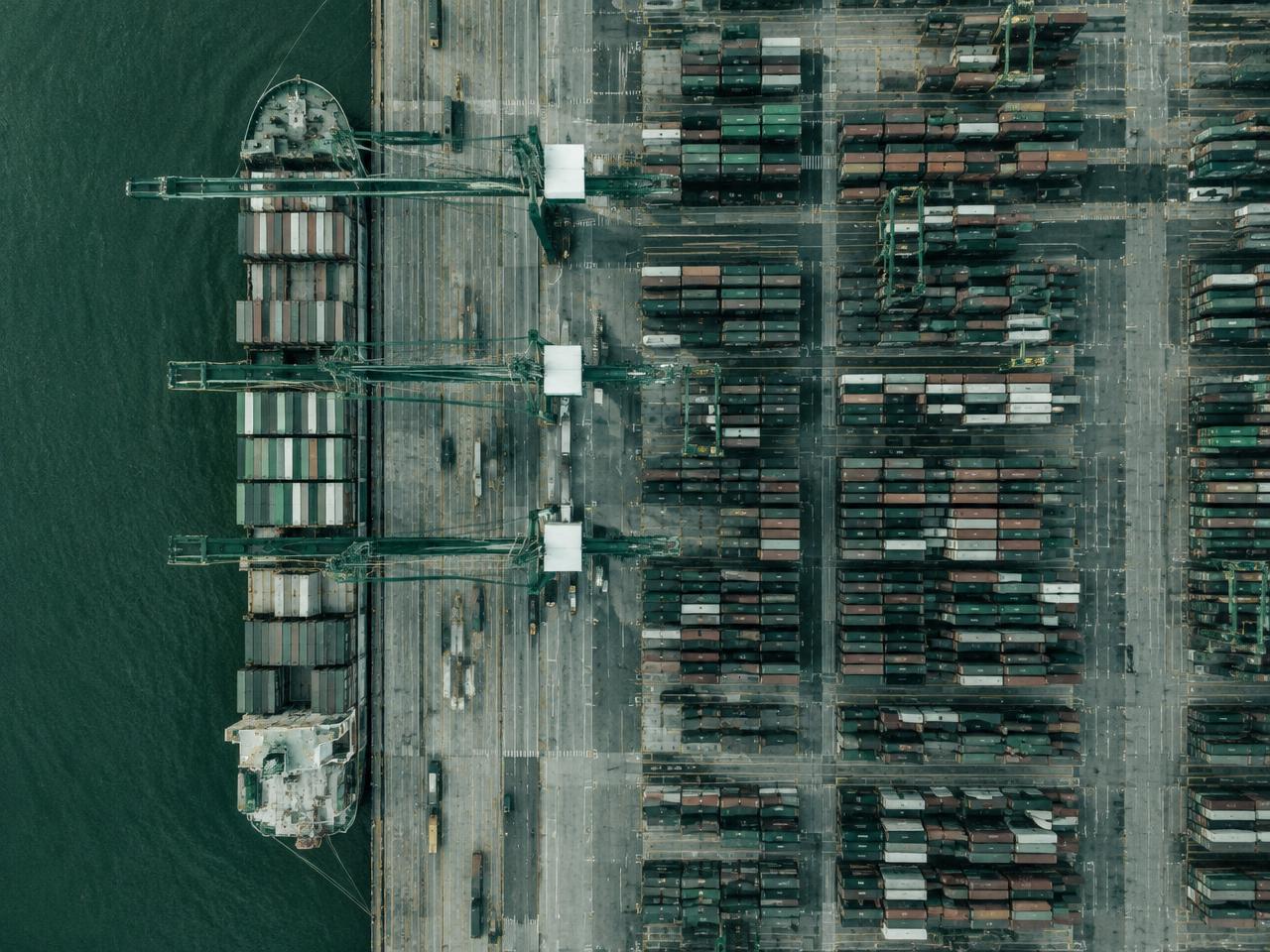
Gulfstream Group of Companies

Gulfstream Group / Industries

International trade.
Specialized expertise.

From car trading and commodities to enterprise technology and advisory, our business areas connect commercial needs with an international perspective.
01

Automotive & Car Trading

Car trading is part of Gulfstream's international commercial activity, alongside import and export coordination and software for automotive businesses.

Automotive commerce connects vehicle requirements, commercial counterparties, and cross-border operations. Our automotive focus sits at the intersection of international trade and the systems that support it.

  • Car trading
  • Vehicle import & export coordination
  • Commercial distribution
  • Automotive business software

Commercial considerations

Vehicle specification, intended destination, commercial quantity and import requirements establish the starting point for automotive discussions.

Explore Car Trading
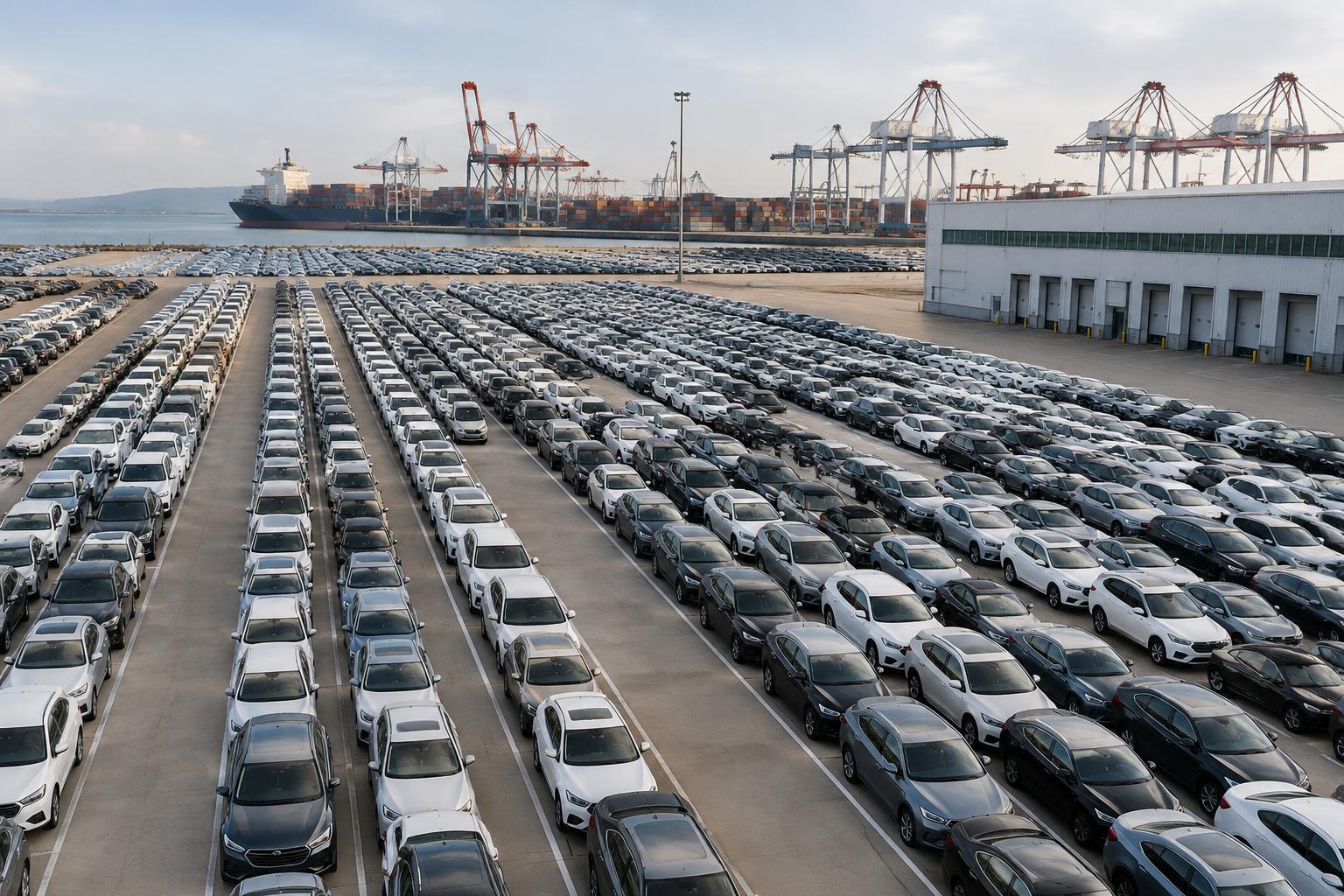

Vehicles arranged at an automotive export terminal; illustrative image
02

Energy & Petroleum

Commercial coordination and supply relationships across energy and petroleum products, subject to applicable licensing.

A commercially grounded approach to procurement requirements and supply coordination, with attention to counterparties, transaction context, and the regulatory requirements of each market.

  • Supply coordination
  • Procurement requirements
  • Commercial relationships
  • Trade logistics

Commercial considerations

Product specifications, counterparty context, destination requirements and applicable permissions need to be understood before any energy-related activity is considered.

Industrial energy infrastructure; illustrative image
03

Commodities & Petrochemicals

Structured cross-border commerce across industrial commodities and petrochemical markets.

International procurement and commercial coordination bring together product requirements, suppliers, buyers, and supply-chain considerations. Activities remain subject to each entity's applicable licensing.

  • Industrial commodities
  • International procurement
  • Wholesale transactions
  • Supply-chain coordination

Commercial considerations

Grade, quality documentation, quantity, delivery terms and buyer requirements shape the scope of a commodity procurement discussion.

International freight and container operations; illustrative image
04

Enterprise Technology

Enterprise software, applied intelligence, and digital platforms engineered for complex commercial environments.

Gulfstream Technologies LTD focuses on the systems behind modern enterprise: trading workflows, automotive operations, business integrations, and data-led decision-making.

  • Enterprise software & SaaS
  • AI & automation
  • Trading and automotive systems
  • Data engineering

Commercial considerations

Business workflows, users, existing applications and data requirements define the context for an enterprise software project.

Explore enterprise technology
Contemporary architecture in Dubai; illustrative image
05

International Business & Advisory

Strategic and corporate advisory for organizations developing commercial relationships across borders.

Advisory connects market understanding with practical commercial planning. Focus areas include corporate strategy, market-entry considerations, partnership development, and organizational operations.

  • Corporate strategy
  • Market-entry advisory
  • Commercial partnerships
  • Business development

Commercial considerations

The business objective, target market, decision timeline and organizational context guide a strategic or corporate advisory discussion.

Meet the consultancy companies
New York city architecture; illustrative image
06

Maritime & Logistics

An advisory perspective on the logistics corridors that connect international commerce.

Trade-routing and logistics considerations inform cross-border commercial planning. This focus is on advisory and coordination, not a claim of vessel ownership or shipping-fleet operations.

  • Logistics coordination
  • Trade-routing considerations
  • Port and terminal context
  • Cross-border commercial planning

Commercial considerations

Origin, destination, cargo characteristics and delivery responsibilities inform routing and logistics planning; this does not imply operation of a shipping fleet.

Hong Kong harbor and commercial waterfront; illustrative image

Imagery is illustrative and does not depict facilities owned or operated by Gulfstream Group companies.

07Across sectors

Commercial context comes first.

01

Understand the requirement

Product specifications, business objectives and intended markets should be explicit. A clear requirement helps distinguish advisory, trading and technology needs rather than treating them as interchangeable.

02

Consider the operating environment

Counterparty information, documentation, jurisdiction and logistics responsibilities form part of the commercial context. Sector descriptions are not a substitute for transaction-specific assessment.

03

Connect business and systems

Commercial operations depend on reliable information. Software and reporting requirements can be considered alongside a trading or advisory discussion through the separate technology company.

Further information

Common questions.

The next chapter of international enterprise.

Connect with Gulfstream to explore opportunities across industries, markets, and technology.

Begin a Conversation